

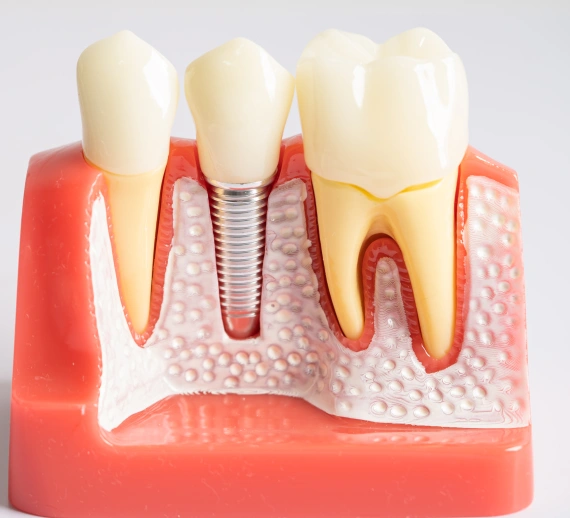
Why Do I Need A Bone Graft
Bone grafts are used in a variety of ways. In some cases bone grafts are done to preserve bone following extractions and in other instances we use bone grafts to grown bone in areas that have lost bone over time.
Often, this is needed to restore the jaw before dental implants can be placed.
What Types of Procedures Involve Bone Grafting
Ridge preservation grafts are done following extractions to preserve bone and make for a solid foundation for a dental implant in the future.
Ridge augmentations are done to increase bone in areas that have lost bone over time and sinus augmentations are needed in some instances to create room for an implant.
Do Bone Grafts Hurt
Bone grafts do not hurt and are used after finishing procedures such as implants or extractions.
Sinus Lift
Why Do I Need a Sinus Lift
In some cases, tooth loss can result in your sinus pneumatizing (lowering) and not leave enough space to place a dental implant. We add bone to the floor of the sinus to create room to place a dental implant.
Does a Sinus Lift Hurt
Most patients report minimal discomfort and following a sinus lift and in some cases, dental implants can be placed on the day of a sinus lift.
Does a Sinus Lift Affect My Allergies
No, a sinus lift should not affect allergies or the way a patient breathes.

Frequently Asked Questions
What are the different types of bone graft materials used in dental grafting?
Bone graft materials can come from your own body (autograft), a donor source (allograft), animal‑derived (xenograft), or synthetic materials, each suited for specific clinical needs.
How do I know if I need a bone graft before a dental implant?
Your dentist or specialist will evaluate jawbone volume and density using X‑rays or scans; insufficient bone support for an implant often means a bone graft is recommended.
How long does it take for a bone graft to fully integrate with the jawbone?
Initial healing can take a few weeks, but full integration and maturation of the grafted bone usually take several months before implants can be placed.
Can a bone graft fail and how common is graft failure?
While bone grafts have high success rates, failure can occur, especially in smokers or patients with certain health conditions. Your specialist will monitor healing closely to reduce risks.
Are bone grafts used for more than just dental implants?
Yes — bone grafts can also be used to restore bone lost from gum disease, trauma, or jaw defects to improve oral health and support natural teeth or future treatments.